Google Tag-

A New Way Home - Vail Valley Real Estate Blog

You’ll find our blog to be a wealth of information, covering everything from local market statistics and home values to community happenings. That’s because we care about the community and want to help you find your place in it. Please reach out if you have any questions at all. We’d love to talk with you!

Oct. 16, 2026

Sometimes the Hardest Part of Selling Your Vail Valley Home Isn't the Price. It's Deciding It's Time.

For many longtime Vail Valley homeowners, selling isn't simply a real estate decision. It's saying goodbye to a place filled with memories, traditions, and years of family adventures.

There's something special about owning a home in the Vail Valley.

Maybe it's the excitement of arriving for a weekend of skiing. The holidays when the entire family gathered around the fireplace. The summers spent hiking, biking, golfing, or simply enjoying the cool mountain air.

For many families, a home in Vail, Beaver Creek, Bachelor Gulch, or Arrowhead has been much more than a vacation property.

It's where children learned to ski, family traditions were created, and memories were made over decades.

And that's what can make the decision to sell so difficult.

Sometimes the hardest part of selling a home isn't deciding what it's worth. It's deciding that it's time.

When Your Mountain Home No Longer Fits Your Lifestyle

One thing we've observed with longtime second homeowners is that the reasons they originally purchased their property can change over time.

When the kids were young, everyone looked forward to winter vacations and summer adventures. The condo was full, ski gear was piled by the door, and there never seemed to be enough beds.

But children grow up.

They move away, establish careers, and start families of their own. Their schedules become more complicated, and sometimes their interests change.

A property that once hosted a houseful of family members may now sit empty for much of the year.

For some owners, the activities that originally drew them to the Vail Valley also become more difficult. Skiing may no longer be as enjoyable, traveling to Colorado may feel like more work, and maintaining a second home can become an unwelcome responsibility.

None of these changes diminish the wonderful years spent here.

But they can lead to an important question:

Does owning this property still fit the life we're living today?

Letting Go of the Home Doesn't Mean Letting Go of the Memories

Selling a longtime family home can be emotional.

Every room may hold a memory. The dining table where everyone gathered for Christmas dinner. The living room where the kids opened presents. The balcony where you enjoyed morning coffee while watching the snow fall.

You might wonder whether the children will want to return someday, whether the grandchildren will develop the same love for the mountains, or whether you'll regret selling.

Those questions deserve thoughtful consideration.

But the memories you've created don't disappear when the property changes hands.

Sometimes, selling allows you to enjoy the next chapter of life without the financial and logistical responsibilities of maintaining a home you're no longer using as often.

Sometimes the Biggest Obstacle Is Getting Started

Even when homeowners recognize that selling makes sense, the prospect of preparing the property can feel overwhelming.

After years of ownership, a home accumulates furniture, artwork, ski equipment, clothing, photographs, and all the little things that make it feel like home.

For second homeowners living hundreds or thousands of miles away, the process can seem especially daunting.

Where do you begin? What should you keep? Does the property need updating? Who will coordinate repairs, cleaning, and photography?

It's easy to put off the decision simply because the process feels like too much work.

The good news is that you don't have to figure it all out yourself.

At The Trueblood Team, we believe our responsibility extends beyond putting a property on the market. We help sellers determine what actually needs to be done, identify worthwhile improvements, and coordinate the details of preparing a property for sale.

Not every home needs a major renovation. Sometimes a few simple improvements are enough, and sometimes selling with the existing furnishings makes the most sense.

Our goal is to make the process manageable, especially for owners who don't live here full-time.

What About Keeping the Property for the Next Generation?

Many second homeowners purchased their mountain homes hoping they would remain in the family for generations.

But it's worth having an open conversation with your children about whether they actually want to own and maintain the property.

Do they have time to use it? Would they be comfortable sharing the expenses? Do they still enjoy spending their vacations in the mountains?

Sometimes parents discover that while their children treasure the memories of growing up in the Vail Valley, they don't necessarily want the responsibilities of ownership.

That realization can be bittersweet, but it can also provide clarity.

Understanding the Financial Side

Owning a second home in the Vail Valley represents a significant financial commitment. HOA dues, property taxes, insurance, maintenance, and potential assessments can add up quickly.

For owners visiting less frequently, those costs may become harder to justify.

The real estate market also matters. Understanding your property's current value, likely selling expenses, and the time it may take to sell can help you evaluate your options.

And gathering that information doesn't mean you're committed to selling.

Sometimes the first step is simply a conversation.

A New Chapter Doesn't Erase the Last One

The Vail Valley has a way of becoming part of people's lives.

It's where families reconnect, traditions take shape, and memories last long after the vacations end.

If you've reached a point where you're wondering whether it still makes sense to keep your mountain home, you're not alone.

It's okay to feel grateful for the years you've enjoyed and ready for something different.

Selling doesn't mean letting go of the memories. It means making room for whatever comes next.

And perhaps another family will soon have the opportunity to create the same wonderful memories in the home you've loved.


Wondering Whether It's Time to Sell Your Vail Valley Home?

At The Trueblood Team, we understand that selling a longtime family property is about more than the transaction.

Whether you've owned your home for five years or thirty, we can help you understand its current value, evaluate your options, and make preparing it for sale as manageable as possible.

And if you're not quite ready? That's perfectly fine, too.

You don't have to be ready to sell to start the conversation.

Heidi & Mike Trueblood
The Trueblood Team | 8z Real Estate
www.truebloodteam.com
Posted in Home Seller Tips
Oct. 12, 2026

Vail Valley Real Estate: Why Properties Dependent on Rental Income Are Facing Price Pressure

Rising ownership costs, changing rental economics, and more selective buyers are creating opportunities in certain segments of the Vail Valley real estate market.

The Vail Valley real estate market is changing, but not all properties are being affected equally.

While luxury properties purchased primarily for personal enjoyment continue to attract buyers, we're seeing increased pricing pressure on a different segment of the market: second homes and condominiums where owners depend on short-term rental income to help offset the cost of ownership.

For years, the financial appeal of purchasing a vacation property in Vail or Beaver Creek was straightforward. Owners could enjoy the property with family and friends, rent it when they weren't using it, and generate enough revenue to help cover HOA dues, property taxes, insurance, maintenance, and potentially a portion of their mortgage.

That equation has become more challenging.

Higher ownership costs, elevated mortgage rates, and changing rental market conditions are forcing buyers to take a closer look at the financial realities of owning a vacation property.

And when the numbers don't work, buyers are increasingly unwilling to pay yesterday's prices.

East Vail: A Good Example of What's Changing

East Vail offers an interesting example of this shift.

Historically, East Vail condominiums have appealed to second-home buyers looking for a more affordable entry point into the Vail market. With convenient access to the free Town of Vail bus, hiking trails, Gore Creek, and the surrounding mountains, these properties offer many of the benefits of resort ownership without the premium prices associated with Vail Village or Lionshead.

Many of these condominiums also appeal to owners who plan to generate short-term rental income when they're not using their properties.

But current listing activity suggests that buyers are becoming more price-sensitive.

As of October 12, 2026, a search of East Vail condominiums priced between $450,000 and $1.2 million on The Trueblood Team website showed:

  • 16 active condominium listings

  • 11 properties displaying price reductions

  • Approximately 69% of the available inventory showing reduced asking prices

One Vail Racquet Club condominium, for example, was originally listed at $715,000 before being reduced to $679,000—a $36,000 reduction, or approximately 5%.

Another Vail Racquet Club property was originally marketed at $735,000 in 2025, then relisted at $655,000 in 2026 before being removed from the market. That's nearly an 11% reduction in asking price, although the property did not establish a closed-sale value at that price.

These examples don't necessarily mean every East Vail condominium is declining in value. Asking-price reductions can reflect overly ambitious initial pricing, property condition, or changing seller motivation.

However, when nearly 70% of active listings in a defined market segment are displaying reductions, it's a meaningful indication that sellers are encountering resistance at their original asking prices.

View Current East Vail Condominiums and Pricing

The Cost of Ownership Is Changing the Equation

One of the biggest challenges facing buyers of rental-oriented properties is the increasing cost of ownership.

HOA dues, property taxes, insurance, utilities, and maintenance have all become important considerations. In older condominium developments, potential capital improvement projects and special assessments can add another layer of expense.

For buyers financing a purchase, mortgage rates are also considerably higher than during the pandemic-era real estate boom.

Meanwhile, rental income doesn't necessarily increase at the same pace as expenses.

Consider a hypothetical Vail Valley condominium that generates $75,000 in annual gross rental revenue.

After paying property management fees, housekeeping, utilities, maintenance, HOA dues, insurance, and property taxes, the amount remaining to offset mortgage payments may be considerably less than a buyer initially expects.

And that's before accounting for major repairs, replacement furnishings, or unexpected assessments.

A property generating substantial rental revenue can still require a meaningful annual cash contribution from its owner.

For someone purchasing primarily for lifestyle, that may be perfectly acceptable. But for a buyer who needs rental revenue to make the purchase financially comfortable, the numbers can significantly influence what they're willing to pay.

The result is straightforward: when annual ownership costs rise faster than net rental income, buyers who rely on that income generally need a lower purchase price to achieve the same financial outcome.

Not All Second-Home Buyers Think Alike

One of the most important distinctions in today's Vail Valley market is the difference between lifestyle-driven buyers and rental-dependent buyers.

A lifestyle buyer purchases a property primarily to enjoy the mountains, skiing, hiking, restaurants, and time with family. Rental income may be welcome, but it isn't essential to the purchase.

These buyers may be willing to pay a premium for a particular location, view, floor plan, or proximity to the slopes.

A rental-dependent buyer approaches the purchase differently.

They may have the same appreciation for the Vail Valley lifestyle, but they need the property to generate sufficient income to offset a meaningful portion of the ownership costs.

For these buyers, the property's financial performance is a major consideration.

This distinction helps explain why certain segments of the Vail Valley market can remain relatively strong while others experience price reductions, longer marketing periods, and increased negotiation.

A luxury home in Beaver Creek purchased for family enjoyment isn't necessarily competing for the same buyer as a one-bedroom condominium in East Vail where rental income is an important part of the ownership decision.

Both are desirable properties, but their buyers evaluate value differently.

The Importance of Net Rental Income

When evaluating a short-term rental property, buyers often focus initially on gross rental revenue.

But gross revenue tells only part of the story.

A condominium generating $100,000 annually in rental revenue may sound attractive. However, after management commissions, rental expenses, HOA dues, taxes, insurance, maintenance, and reserves for future improvements, the net financial benefit can be substantially smaller.

We encourage buyers to look beyond projected revenue and understand actual historical performance.

It's also important to recognize that rental income can vary significantly from one property to another, even within the same condominium complex.

Location, condition, furnishings, views, amenities, access to skiing, and the owner's personal-use schedule can all influence revenue.

For properties subject to rental program requirements, buyers should also understand management agreements, owner-use limitations, reserve contributions, and any anticipated renovation obligations.

A lower purchase price may create an opportunity, but only if the property's long-term ownership economics make sense.

What This Means for Vail Valley Sellers

For sellers of rental-oriented condominiums, the market is sending an important message.

Today's buyers are increasingly focused on the total cost of ownership—not simply the asking price or what a neighboring property sold for several years ago.

A seller may have purchased during a period of rapidly appreciating values and strong rental demand. But buyers today are evaluating the property using current financing costs, operating expenses, and realistic rental expectations.

That can create a disconnect between what sellers hope to receive and what buyers are willing to pay.

Properties that are appropriately priced, well-maintained, and supported by strong rental histories may still attract significant interest.

However, properties with higher operating costs, dated interiors, or upcoming assessments may require more competitive pricing.

For sellers considering bringing a property to market, we recommend reviewing recent comparable sales, current competing listings, historical rental performance, and anticipated ownership expenses before establishing an asking price.

Pricing based on today's market conditions is generally more effective than relying on peak-market valuations and making repeated reductions.

What This Means for Buyers

For buyers who have been waiting for an opportunity to purchase a Vail Valley vacation property, the changing market may create some attractive possibilities.

The East Vail listing activity is one example of sellers adjusting their expectations.

Buyers who are willing to evaluate a property's full financial picture may find opportunities that weren't available when inventory was limited and competition was intense.

But purchasing a property simply because its asking price has been reduced isn't necessarily a good strategy.

We recommend carefully reviewing rental histories, HOA financial statements, reserve funding, potential assessments, rental regulations, and the property's overall condition.

It's also worth considering how the property fits into your long-term plans.

If you intend to enjoy the property for many years, the lifestyle benefits may outweigh the need to maximize rental returns.

If rental revenue is essential to your ownership strategy, the financial analysis deserves greater scrutiny.

In either case, understanding the property's true cost of ownership is critical.

Our Take: A More Selective Market Creates Opportunities

The Vail Valley remains an extraordinary place to own real estate. The natural beauty, world-class skiing, summer recreation, and mountain lifestyle continue to attract buyers from across the country.

We don't see that changing.

What is changing is how buyers evaluate certain properties.

During the strongest years of the market, low financing costs, strong demand, and rapid appreciation sometimes made it easier to overlook modest rental returns or rising ownership expenses.

Today's buyers are more selective.

And for properties where rental income is an important part of the purchasing decision, that selectivity is creating pricing pressure.

The significant number of asking-price reductions among East Vail condominiums is one indication of this changing environment. Additional closed-sale data will help determine how much of that pressure is translating into lower property values.

We believe the important story in today's Vail Valley market isn't that all real estate prices are falling. It's that the market is increasingly distinguishing between properties purchased primarily for lifestyle and those that must make financial sense as rental investments.

For sellers, that means understanding the buyer most likely to purchase your property and pricing accordingly.

For buyers, it may mean new opportunities to negotiate on properties where ownership economics have become more challenging.

And for both, local market knowledge and a realistic assessment of the numbers are more valuable than ever.


Thinking About Buying or Selling a Vail Valley Property?

At The Trueblood Team, we help buyers and sellers evaluate more than just asking prices.

From Vail and East Vail to Beaver Creek, Bachelor Gulch, Arrowhead, and beyond, we understand the differences between individual resort communities, condominium associations, rental programs, and property ownership costs.

Whether you're considering selling a rental-oriented condominium or purchasing a second home, we'd be happy to help you evaluate current market conditions, comparable sales, and the financial considerations that matter most.

Heidi & Mike Trueblood

The Trueblood Team | 8z Real Estate

Posted in Market Updates
Oct. 9, 2026

Renovate or Relocate?

There comes a point when almost every homeowner starts keeping a mental list.

The kitchen could use an update. The bathrooms feel dated. You’d really like another bedroom, a better home office, more storage for skis and bikes, or a garage that actually fits everything. Maybe the stairs are becoming less appealing, or the layout that worked when you bought the home no longer fits the way you live today.

In the Vail Valley, that leads to an important question:

Do you renovate the home you have, or is it time to find a home that fits you better?

It’s not always an easy decision—especially in a market where location, views, ski access, neighborhood, and even the orientation of a property can be difficult to replace.

Start With What You’re Actually Trying to Fix

Before calling a contractor or scrolling through listings, ask yourself a bigger question:

What is it about your current home that no longer works?

Some problems are relatively easy to solve. Others may be expensive—or impossible—to change.

If you love your location, renovating may make a lot of sense. A dated kitchen can be remodeled. Bathrooms can be updated. Storage can be added. An underused room can become an office, bunk room, or more functional living space.

That can be particularly compelling in the Vail Valley because finding another property with the same combination of location, views, privacy, ski access, outdoor space, or proximity to town may not be easy.

Some Things Can't Be Renovated

On the other hand, there are features no remodeling budget can easily solve.

You can't move a home closer to the ski slopes. You can't create a Gore Range view if another building is in the way. You can't make a busy road quieter, eliminate multiple flights of stairs from some properties, or turn a small homesite into a large one.

And while updating an existing floor plan may be relatively straightforward, adding significant square footage in the mountains can be another matter entirely.

Construction costs, architectural review, HOA requirements, permitting, site constraints, and short building seasons can make major additions more complicated and expensive than homeowners initially expect.

Before investing heavily in a renovation, it's worth asking:

Am I improving a home I still love—or spending money trying to make this property become something it was never designed to be?

In the Vail Valley, Location Deserves Extra Weight

Real estate here is unusually location-specific.

A homeowner in Beaver Creek or Bachelor Gulch may be reluctant to give up ski access. Someone in Singletree may value the views and convenient location. A family in Homestead may place a premium on neighborhood amenities and community. An East Vail homeowner may love the access to trails and the quieter mountain setting.

Those characteristics can't simply be recreated through remodeling.

That means the decision isn't just about comparing one house with another. It's about understanding how difficult it would be to replace the things you already have.

Think About Resale Before You Renovate

Renovations are lifestyle decisions, but they're also financial decisions.

In the Vail Valley, buyers often place a premium on updated kitchens and bathrooms, attractive mountain finishes, functional storage, good lighting, outdoor living areas, and turnkey condition—particularly second-home buyers who may not want to take on a renovation immediately after closing.

But not every dollar spent on a remodel translates into an additional dollar of resale value.

Highly customized finishes, unusual floor-plan changes, or improvements that push a property well beyond the expectations of its neighborhood may be enjoyable for the current owner without generating the same return when the home is sold.

That's why it's helpful to understand both your home's current value and its likely value after the proposed improvements before committing to a major project.

Moving Has Costs, Too

Of course, buying another property isn't free.

A different home may come with a higher purchase price, different property taxes, HOA dues, transfer taxes, insurance costs, maintenance requirements, or assessments. For second-home owners, rental potential and short-term rental rules may also be part of the equation.

So the comparison shouldn't simply be:

Renovation cost vs. purchase price.

A better question is:

What would it cost to make my current home work the way I want—and what would it cost to get those same benefits somewhere else?

That's a much more useful comparison.

Know Your Options Before You Decide

You don't have to be ready to sell to talk with a real estate advisor.

In fact, one of the best times to have that conversation is before committing to a substantial renovation.

We can help you understand what your home may be worth today, how buyers are likely to respond to the improvements you're considering, and what alternatives are currently available elsewhere in the Vail Valley.

You may discover that putting $100,000 into your current home makes far more sense than moving.

You may find that the renovation you're considering still won't solve the underlying issue—and that putting those dollars toward a different property gets you much closer to what you really want.

Or you may determine that a few relatively modest updates are all you need.

The goal isn't necessarily to sell your home. It's to make sure you're making the best decision with one of your largest assets.

The Trueblood Team can help you look at both sides of the equation—your home's current and potential value, the likely return on improvements, and what your budget could buy elsewhere in the Vail Valley—before you decide what comes next.

Source: Redfin, “U.S. Homeowners Are Remodeling Instead of Relocating.”

Posted in Lifestyle
Oct. 2, 2026

Why Locals Love October in the Vail Valley

Ask someone who visits the Vail Valley when the best time of year is, and you’ll probably hear ski season or summer.

Ask a local, and October might make the list.

October is one of those rare stretches when Eagle County seems to exhale. The summer visitors have headed home, ski season hasn’t started yet, and for a few weeks, Vail, Beaver Creek, Avon and Edwards belong mostly to the people who live here.

Around here, we call it the offseason—or, less affectionately, mud season. But after living in Eagle County for more than 20 years, I’ve come to think October is one of the perks of calling the mountains home.

The Valley Slows Down

The first thing you notice is how quiet everything becomes.

The roundabouts are easier. I-70 isn't packed with weekend traffic. Parking in Vail is simple. You can drive from Edwards to Vail without mentally calculating how much extra time you need to allow.

Even Vail Village and Beaver Creek feel different. Instead of crowds moving between restaurants, hotels and events, you might walk several blocks and see only a handful of people.

For locals, there is something wonderful about that.

After a busy summer—and before another busy ski season—October gives us a chance to enjoy our own towns at a completely different pace.

Then There Are the Restaurant Specials

This may be one of the best parts of offseason.

Eagle County has an unusually good restaurant scene for a community our size, but eating out in a resort town isn't exactly inexpensive. October is when many local restaurants traditionally roll out their offseason specials.

It might be a prix-fixe menu, discounted entrées, a burger-and-beer night, extended happy hour or a deal that finally gives you an excuse to try one of the restaurants you normally save for a special occasion.

It becomes a bit of a local sport: Who's open? Who has the best offseason deal? And where should we go this week?

There is one caveat. October schedules can change quickly. Some restaurants remain open throughout the offseason, some reduce their days or hours, and others close altogether for a few weeks so their staff can take a well-earned break before winter.

So this is the time of year when you learn to check before heading out.

But that's part of October in a resort town. Your favorite restaurant may be closed—but the one down the street may have a fantastic special and a table available at 7:00 on a Friday night.

The Weather Can Be Fantastic

October weather in the mountains is unpredictable, which is also part of its charm.

You can wake up to frost, spend the afternoon hiking in a T-shirt and have snow falling by dinner.

But some of our best fall days happen in October: deep blue Colorado skies, crisp mornings and sunny afternoons that are warm enough for hiking, mountain biking, road biking or simply sitting outside.

Early in the month, there may still be pockets of fall color hanging on. Later, the leaves are down and you get those huge, unobstructed mountain views that disappear somewhat when the aspens fill back in.

And every so often, we get the first meaningful snow of the season—a reminder that winter isn't far away.

You Get the Trails Back

Summer in Eagle County is spectacular, but our trailheads have become increasingly popular.

October changes that.

On a weekday, you may have stretches of trail almost entirely to yourself. Mountain bike rides become quieter. Hiking feels a little more spontaneous because you're not thinking as much about crowds or parking.

The temperatures are often ideal for being outside, too.

Of course, this is also the time of year to pay attention to trail conditions. An early snowstorm followed by warm weather can quickly turn a favorite trail into genuine "mud season." Sometimes the best decision is to leave the bike at home and let the trail dry out.

That's another thing locals learn: October rewards flexibility.

No Traffic Is a Lifestyle Upgrade

It's hard to explain how enjoyable this is until you've lived through a few peak seasons.

In October, you can leave Edwards for Vail without checking traffic first. You can run an errand in Avon without wondering whether you'll hit a backup. You can meet someone for dinner and actually know roughly how long it will take to get there.

It's a small thing.

And it is glorious.

After spending much of the year planning around ski traffic, summer events, holiday weeks and weekend arrivals, October reminds you just how small and connected the Vail Valley really is.

Resort-Town Life Has a Rhythm

Living in Eagle County is very different from vacationing here.

Visitors tend to experience the valley at full speed: powder days, après-ski, concerts, restaurants, festivals, hiking, biking and packed calendars.

Residents experience the spaces in between, too.

October is one of those spaces.

Some businesses close. Friends take vacations. Restaurants offer specials. People tackle projects they put off all summer. You bump into people you know at the grocery store and actually have time to talk. There is less urgency everywhere.

Then, slowly, things begin changing.

Snow starts appearing higher on the mountains. Restaurants announce their reopening dates. Ski swaps and winter gear start showing up. Snowmaking begins. Everyone starts talking about opening day.

The energy begins building again.

The Quiet Is Part of the Appeal

October probably isn't the month we'd choose to show someone the Vail Valley at its most glamorous.

And that's exactly why many of us like it.

Living in a resort community means accepting the crowds and traffic that come with living somewhere other people want to visit. In exchange, we get to live in an extraordinary place.

October is when we get a little more of it to ourselves.

A sunny afternoon on the trail. Dinner at a restaurant you normally can't get into. An empty stretch of I-70. A quiet walk through Vail or Beaver Creek. Maybe the first snowflakes of winter.

For a few weeks, the valley slows down.

And if you live here, that's not something to endure until ski season.

It's one of the best parts of the year.

Posted in Lifestyle
Sept. 30, 2026

West End Edwards: A Major New Housing Community Taking Shape in the Heart of Edwards

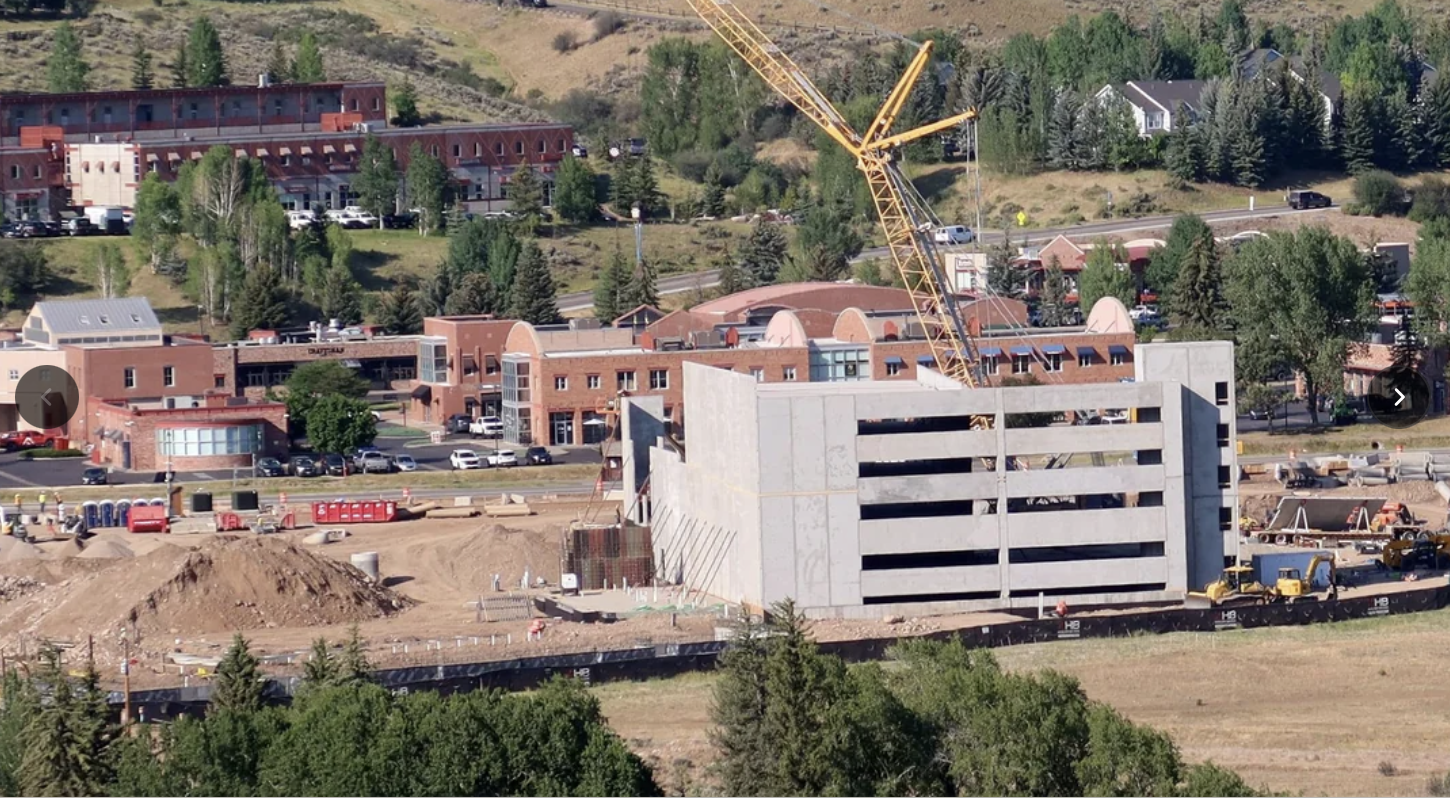
If you’ve driven through the Edwards roundabout recently, you’ve probably noticed the significant construction underway just west of Edwards Access Road. Despite looking like a new prison, that project is West End, a new apartment community that will add much-needed rental housing in one of the most central locations in Edwards.

Construction is now well underway and phase one is a parking garage, with completion anticipated in 2028. Perhaps most significant for the local community, 75% of the apartments are planned to be deed-restricted for the Eagle County community.

A Very Central Edwards Location

Location may ultimately be one of West End’s most compelling features.

The development sits adjacent to the Edwards commercial core, within walking distance of Riverwalk, Edwards Corner, restaurants, shops and services. Residents will also have convenient access to trails, open space, the Eagle River Preserve and public transportation, including a CORE Transit stop immediately outside the development.

For a community where transportation and workforce housing are closely connected, putting additional housing within walking distance of everyday services is noteworthy.

What Is Being Built?

West End will consist of studio, one-bedroom and two-bedroom rental apartments with contemporary finishes, stainless-steel appliances and in-unit washers and dryers.

The community is also planned with a substantial amenity package, including:

  • Fitness center

  • Co-working space and resident lounge

  • Pool and spa deck

  • Dog park and dog wash

  • Bike and gear storage

  • Covered garage parking

  • Outdoor kitchens and BBQ areas

  • Community garden

  • Package room

  • Access to the Eagle River Preserve

The project is being developed by East West Partners, a familiar name in the Vail Valley and other mountain resort communities.

Where Construction Stands

According to the project's August 2026 update, the road and transit improvements surrounding the site have been completed and construction has moved into the building itself.

Current work is focused on the parking garage and residential foundations. The concrete structure visible from Highway 6 and Edwards Access Road will eventually be surrounded by wood-framed apartment residences. Framing is expected to begin as construction progresses, making the scale of the development increasingly visible over the coming year.

Earlier work associated with the project included Highway 6 improvements, utility work, an improved CORE Transit stop and infrastructure for a new loop road connecting Edwards Access Road with Highway 6.

Sustainability Is a Significant Part of the Plan

West End is also being designed around ambitious sustainability goals.

The development is targeting LEED Gold certification, will be all-electric, incorporates water-conservation measures and plans to achieve net-zero operations through Holy Cross Energy’s PURE program.

Those features are particularly relevant in Eagle County, where energy efficiency, water use and the long-term operating costs of mountain properties are increasingly important considerations for both homeowners and developers.

What West End Could Mean for Edwards

From a real estate perspective, West End is significant because it adds housing directly within the existing Edwards town center rather than farther from employment, shopping and transportation.

Edwards has evolved considerably over the past two decades, but housing supply remains one of the community’s biggest challenges. Adding a substantial number of rental residences—particularly with 75% designated as deed-restricted housing for the Eagle County community—should add another housing option for people who want to live close to where they work and spend their time.

It will also bring more residents within walking distance of Edwards businesses. That could strengthen the connection between the residential and commercial sides of the community and further reinforce Edwards as a year-round town center rather than simply a collection of neighborhoods surrounding Highway 6.

The Trueblood Team Take

For those of us who live and work in Edwards, West End is one of the more consequential projects currently taking shape in the community.

There will naturally be questions about how additional residents affect traffic, transportation, local services and the overall feel of Edwards. At the same time, the project addresses a persistent challenge in the Vail Valley: creating more housing close to jobs, transit and existing community infrastructure.

West End's location makes it particularly interesting. Residents will be able to walk or bike to many of the things that make Edwards such a desirable place to live—from Riverwalk and local restaurants to the Eagle River Preserve and the broader trail system.

With completion currently anticipated for 2028, we'll continue watching the project as construction progresses and as additional information about leasing and the deed-restricted residences becomes available.

Thinking about buying or selling in Edwards? The Trueblood Team has lived and worked in Eagle County for more than two decades. We’re happy to help you understand not just current property values, but also the development, zoning and community changes that can influence the long-term value and experience of owning a home here.

Source: West End Edwards project website and construction updates, accessed September 2026.

Posted in Lifestyle
Sept. 23, 2026

More Choice for Buyers, but Sellers Hold their Ground

The Eagle County real estate market continues to give buyers something they have not consistently had in recent years: more choice and more time to make decisions.

That doesn’t mean sellers are suddenly slashing prices. This week’s numbers show a more nuanced market. Inventory remains elevated in several segments, days on market have lengthened, and buyers can afford to be selective. At the same time, well-positioned sellers are largely holding their ground rather than making aggressive price reductions.

Here’s what we’re seeing across Beaver Creek, Vail Village, Lionshead and the broader Eagle County market as of September 22.

Beaver Creek: A Pause After a Busy Week

After four closings the prior week, Beaver Creek activity slowed considerably.

Active inventory held steady at 61 properties, consisting of 35 condos, 14 single-family homes, ten townhomes and two duplexes. One new single-family home came to market — 220 N. Fairway Drive, listed at $5.25 million — while 30 Holden Place left the active market.

No Beaver Creek properties closed during the week, and the number of properties under contract remained unchanged at seven.

Perhaps more interestingly, sellers did not respond to the quieter week with widespread price reductions. There was just one price change: The Charter #3430, which moved from $1.845 million to $1.825 million.

Year-over-year condo comparisons weakened slightly, although much of that change reflects the timing of closings in the 2025 comparison period. Beaver Creek has recorded 27 condo sales so far this year, compared with 29 at this point last year. That puts transaction count 6% lower and dollar volume 4% lower, while the average sale price is approximately 2% higher.

Trueblood Team Take

Beaver Creek paused rather than shifted direction this week.

With 61 active listings, seven properties under contract and a median market time of 102 days, buyers have meaningful selection and considerably more time to evaluate properties than they did in tighter markets.

But we are not yet seeing broad seller capitulation. Nearly one-third of Beaver Creek's active listings are below their original asking price, yet there was only one new reduction this week.

For buyers, that creates an interesting environment: more negotiating leverage, particularly on properties that have accumulated significant days on market, without the widespread price resets that would indicate a rapidly weakening market.

Vail Village & Lionshead: Two Different Market Stories

Inventory across Vail Village and Lionshead declined this week, falling from 54 to 51 active properties — 30 in Vail Village and 21 in Lionshead.

One new Lionshead property entered the market, while the combined number of properties under contract increased from 15 to 16. Neither area recorded a closing during the week.

The year-to-date numbers continue to highlight an important difference between these two neighboring luxury markets.

Vail Village has recorded 18 condo sales, 18% fewer than last year, with dollar volume down 26%. Yet its average sale price remains exceptionally high at approximately $4.53 million.

Lionshead has recorded 21 condo sales versus 20 last year, but its approximately $2.74 million average sale price reflects a lower-priced mix of properties. As a result, dollar volume remains 35% below last year despite the higher transaction count.

The lesson is that transaction count alone doesn't tell the whole story in Vail's luxury market. A relatively small change in the mix of properties sold can have a substantial effect on average price and dollar volume.

Eagle County: More Transactions, Lower Average Prices

Looking beyond the resort markets, Eagle County has recorded 667 sales year to date, compared with 635 at this point in 2025 — an increase of 5%.

That year-over-year advantage narrowed from 7% last week because more transactions closed during the comparable week last year.

While more properties are selling, total dollar volume is 4% lower and the average sale price is 8% lower. That suggests much of this year's transaction growth is occurring at lower price points or reflects a different mix of properties changing hands.

Single-family homes continue to drive transaction growth, with sales up 10% year over year. However, single-family dollar volume is down 12% and average sale price is down 20%.

Duplexes are one of the stronger categories, with sales up 9%, dollar volume up 30% and average sale price up 19%.

Condos Offer Buyers the Most Leverage

For buyers looking for opportunity, the countywide condo market continues to stand out.

Condo inventory is up 29% and new listings are up 34% year over year. Contracts are also up 14%, showing that buyers are active — but closed sales remain 2% below last year and dollar volume is down 10%.

That combination matters.

More inventory means buyers can compare properties rather than feeling pressure to act on the first acceptable option. Properties with dated finishes, higher HOA expenses, assessments or extended market time may offer particularly good opportunities for buyers willing to look beyond turnkey condition.

Townhomes remain comparatively balanced, with sales up 5% and dollar volume up 2%.

Beaver Creek Market Snapshot

Active listings: 61
New this week: 1
Under contract: 7
Closed in September: 6
Price changes this week: 1
Active listings below original asking price: 19
Average DOM — active: 155 days
Median DOM — active: 102 days
Average DOM — sold YTD: 88 days

What Does This Mean for Buyers and Sellers?

The most important signal this week isn't the lack of closings in Beaver Creek or Vail. It's the combination of higher selection, longer market times and relatively restrained seller price reductions.

For buyers, this is a market where patience and property selection can matter as much as price. Long days on market, previous reductions, upcoming carrying costs, assessments and property condition can all create negotiating opportunities that aren't immediately apparent from the asking price.

For sellers, increased inventory makes positioning increasingly important. Buyers have alternatives, and properties that are overpriced or require significant updating can sit while better-positioned homes attract the available demand.

The market isn't moving uniformly in one direction. The strongest properties can still command attention, while properties with pricing, condition or carrying-cost challenges are giving buyers more leverage.

That makes understanding the individual property — not simply the headline market statistics — increasingly important.


Thinking about buying or selling in Beaver Creek, Vail or elsewhere in Eagle County? The Trueblood Team tracks inventory, pricing, days on market and transaction trends each week to help our clients understand where negotiating leverage is developing and where properties are still commanding a premium.

Strategic Representation. Measurable Results.

Market statistics are based on MLS data available as of September 22, 2026 and are subject to change.

Posted in Market Updates
Sept. 18, 2026

The Purchase Price is Only Part of the Cost

When buyers start looking for a home in Eagle County, it’s easy to focus on one number: the purchase price.
 
But in a market where many buyers purchase with cash—or put substantial money down—the more important question often isn’t “What can I afford to buy?” It’s “What will this property really cost me to own?”
 
Two Eagle County properties with similar price tags can have very different economics once you look beyond the closing.
 
HOA dues are a good example. In resort communities such as Beaver Creek, Bachelor Gulch, Arrowhead and Vail, association dues can vary significantly depending on the property and the services provided. Some cover amenities, exterior maintenance, snow removal, utilities, transportation or other services that an owner would otherwise pay for separately. Others may appear lower but leave more expenses to the individual owner.
 
The amount of the dues matters—but so does what you receive for them and the financial health of the association.
 
Reserves, planned capital projects and special assessments are particularly important. A property with relatively modest dues can become more expensive if the association is facing a major roof, siding, elevator, mechanical or other capital project. Conversely, higher dues may be more understandable when an association is well funded and has proactively maintained the property.
 
The condition of the individual residence matters, too.
 
Consider two condos priced at $2 million. One has been renovated, has updated mechanical systems and needs little immediate work. The other is $100,000 less but needs a kitchen, bathrooms, flooring, furnishings and mechanical upgrades.
 
The lower-priced property isn't necessarily the better value—particularly in Eagle County, where renovation costs, contractor availability and the logistics of completing work in a condominium or resort community can add considerably to the cost and timeline.
 
There are other expenses that can also change the calculation: property taxes, homeowners insurance, utilities, transfer taxes, property management, club or amenity fees, and ongoing maintenance. For buyers planning to rent the property, management fees, HOA rental restrictions, licensing requirements and realistic rental revenue should also be considered.
 
For cash buyers, there is another factor that is easy to overlook: the opportunity cost of the capital invested in the property. Putting an additional $200,000 into one property versus another may be worthwhile for a better location, stronger rental potential, superior views or a more desirable floor plan—but it is still part of the investment decision.
 
That doesn't mean the least expensive property is the right choice. Often, it is just the opposite.
 
A property that costs more upfront may ultimately be the better value if it has a superior location, lower future capital needs, stronger HOA finances, better rental potential or characteristics that should make it more desirable when it is eventually sold.
 
Look Beyond the List Price
When we help buyers compare properties in Eagle County, we encourage them to look at the total ownership picture, not simply the asking price:
 
  • What are the recurring annual ownership costs?
  • What does the HOA cover, and how well funded are its reserves?
  • Are significant capital projects or assessments anticipated?
  • What work will the residence need over the next several years?
  • Are there transfer taxes, club dues or other community-specific costs?
  • If it will be rented, what are the realistic net rental economics?
  • And ultimately, which property offers the best combination of lifestyle, location and long-term value?
Especially for a cash buyer, the question isn't necessarily “How much home can I afford?”
 
A better question may be:
 
“Which property gives me the best value for the total cost of ownership?”
 
In Eagle County, that answer can look very different from what the list price alone suggests.
Posted in Buyer
Sept. 15, 2026

Eagle County Weekly Market Update — September 15, 2026

Beaver Creek

  • Active inventory declined from 63 to 61 properties, despite one significant new listing: 132 Beaver Creek Drive, a single-family home offered at $13.9M. Current inventory includes 35 condos, 14 single-family homes, ten townhomes and two duplexes.
  • Four properties closed during the week: Townsend B204 at $1.065M, Creekside B510 at $3.225M, 94 Village Walk at $9.325M, and 83 Offerson Road #1 at $5.2M. There were no single-family closings. YTD, condo sales are now only 3% below last year, while townhome sales are up 22%.
  • Seller price adjustments accelerated. Four active condos reduced their asking prices during the week, including Creekside A405 from $3.9M to $3.7M and three other reductions of approximately $150,000–$151,000. Twenty of the 61 active listings are now priced below their original asking price.

Trueblood Team take: Beaver Creek had a productive week with four closings, but the combination of additional price reductions, fewer pending properties and negotiated sale prices shows that buyers continue to reward value rather than simply pursuing limited inventory.

Vail Village & Lionshead

  • Current active inventory remained at 54 properties, with 32 in Vail Village and 22 in Lionshead. Only one new listing entered the two areas during the week, in Vail Village.
  • Lionshead produced the notable activity: 675 Lionshead Place #259 closed for $4.5M, and 825 Forest Road #2 closed for $14.8M. Lionshead condo sales are now up 10% YOY, although dollar volume remains down 31% because of the lower average price of this year’s transactions.
  • The $14.8M duplex closing materially changed Lionshead’s headline numbers. Duplex sales increased to two versus one last year, with dollar volume now up 134%. Vail Village condo activity was unchanged during the week and remains down 14% in units and 25% in volume.

Other Eagle County

  • Countywide sales increased to 650 versus 605 last year, up 7%. Dollar volume improved to only 1% below last year, compared with a 3% deficit the prior week. Average price remains 8% lower because more transactions are occurring outside the highest-priced resort segments.
  • Duplexes are now the strongest countywide property category: sales are up 15%, dollar volume is up 41% and average price is up 22%. Single-family sales are up 12%, but average price remains down 21%, reflecting the geographic mix of homes sold.
  • Condo conditions continue to favor buyers. Inventory is up 28% while completed sales are essentially flat YOY. Condo dollar volume is down only 4%, an improvement from 6% last week, but supply continues to grow much faster than sales.

Beaver Creek Market Snapshot

  • Active listings: 61
  • New this week: 1
  • Under contract: 7
  • Closed in September: 6
  • Price changes in the last week: 4
  • Price changes among active properties: 20 are below their original asking price
  • Average DOM — active properties: 156 days
  • Average DOM — sold properties: 88 days YTD
  • Median DOM — active properties: 105 days

The most important takeaway is that Beaver Creek is converting long-standing inventory into contracts and closings, but four new reductions and fewer pending properties show that pricing discipline remains essential for sellers and creates continued opportunity for buyers.

DOM note: The MLS export reports an invalid negative DOM for the 83 Offerson Road sale, so that transaction was excluded from the sold-property DOM calculation.

Posted in Market Updates
Sept. 8, 2026

Eagle County Weekly Market Update — September 8, 2026


Beaver Creek

  • Active inventory declined from 66 to 63 properties, with no new listings during the past week. The current mix includes 37 condos, 11 townhomes, 13 single-family homes and two duplexes. The decline came from two properties going under contract and one withdrawal—not from a sudden increase in closings.
  • Two notable properties went under contract: 17 Chateau Lane #210, listed at $3.495M, and 17 Meadow Court E-3, listed at $4.275M. Beaver Creek currently has ten pending properties, showing that buyers remain active despite being selective.
  • Two condo sales closed September 1: 300 Prater Road A-102 sold for $3.6M versus $3.975M asking, and 120 Offerson Road A-210 sold for $1.2M versus $1.35M asking. Beaver Creek condo sales are now 25 versus 27 last year, while volume is up 20% because the average sale price remains approximately 30% higher.

Trueblood Team take: With no new inventory, two contracts and two closings, this was a constructive week for Beaver Creek—but both closings involved approximately 9%–11% negotiations, reinforcing that buyers remain value-conscious.

Vail Village & Lionshead

  • Current active inventory held steady at 54 properties, with 31 in Vail Village and 23 in Lionshead. Four new listings—two in each area—were offset by other properties leaving the active market.
  • Vail Village recorded two additional condo closings, including 120 Willow Bridge #3G at $3.95M and 430 S. Frontage Road E #D at $1.1M. Vail Village condo sales are now 18 versus 20 last year, while dollar volume is down 24%.
  • Lionshead continues to show stronger transaction activity but a lower-priced sales mix. Condo sales are up 5% and contracts are up 31%, yet dollar volume remains down 36% because the average sale price is approximately $2.65M versus $4.40M last year.

Other Eagle County

  • Countywide activity strengthened during the week. YTD sales increased to 625 versus 581 last year, an 8% advantage compared with 6% last week. Dollar volume remains down 3%, while the average sale price is 10% lower—still primarily reflecting where and what is selling.
  • Single-family homes drove much of the improvement: sales are now up 12% YOY, although dollar volume is down 11% and average price is down 21%. This continues to reflect stronger activity in mid-valley and down-valley markets rather than a uniform decline in comparable home values.
  • Condos remain the clearest area of buyer choice: inventory is up 27% while sales are up only 1%. Duplexes remain the strongest category by dollar volume, up 28%, while townhomes are comparatively balanced with sales up 6% and volume up 3%.

Beaver Creek Market Snapshot

  • Active listings: 63
  • New this week: 0
  • Under contract: 10
  • Closed in September: 2
  • Price changes in the last week: 1
  • Price changes among active properties: 18 are below their original asking price
  • Average DOM — active properties: 159 days
  • Average DOM — sold properties: 92 days YTD
  • Median DOM — active properties: 111 days

The week’s most important takeaway is that Beaver Creek inventory tightened modestly without new supply, but long market times, 18 reduced listings and negotiated closings continue to give disciplined buyers meaningful leverage.

Notable price change: Ridgepoint #140 was reduced from $2.2M to $1.995M.

Posted in Market Updates
Aug. 18, 2026

Eagle County Real Estate: More Activity, More Choice

Eagle County Weekly Market Update | August 18, 2026


The clearest theme in the Eagle County real estate market this week is more activity, but also more choice.

Through August 18, residential sales across Eagle County are running 7% ahead of last year, while active inventory is up 12%. At the same time, total dollar volume is essentially flat.


What does that tell us? Buyers have more options and can afford to be selective, but they haven't stopped buying.Well-positioned properties are still selling—sometimes very quickly—while listings with competition, higher carrying costs, dated condition or aggressive pricing are giving buyers more negotiating leverage.


Beaver Creek: More Inventory Creates Opportunity

Beaver Creek continues to stand out as one of the more buyer-friendly luxury markets in the Valley.

Inventory expanded again this week, including several new listings such as a 3-bedroom Centennial at $2.95 million and a 2-bedroom Townsend Place at $1.725 million.

The year-over-year inventory change is becoming meaningful:

  • Condo inventory: 83 vs. 71 last year — up 16%
  • Single-family inventory: 18 vs. 14 — up 28%
  • Condo sales: 21 vs. 27 — down 22%
  • Townhome sales: 10 vs. 7 — up 42%


But Beaver Creek isn't simply a story of a slowing market.


Average condo sale price is actually up 30% to $2.51 million, while townhome dollar volume has increased 47% to $50.4 million. Both condos and townhomes are averaging approximately 94–95% of asking price, indicating that negotiation has become a more normal part of the market.


Perhaps the best example came this week: a 4-bedroom Aspens townhome closed August 12 for $5 million after just 13 days on the market, achieving 96.3% of asking price.


Trueblood Team Take

Beaver Creek is more negotiable—but the best properties aren't necessarily behaving like the rest of the market.

Buyers may find particularly good opportunities among condos with competing inventory, higher HOA expenses or assessments, dated interiors, or extended days on market. But turnkey properties with desirable ski access, views and floor plans can still attract buyers quickly.

Waiting for every Beaver Creek property to become a "deal" could mean missing the properties that stand apart.


Vail Village & Lionshead: Look Beyond Dollar Volume

The Vail market demonstrates why headline statistics don't always tell the whole story.

In Vail Village, condo sales are down 25%, with 15 transactions compared with 20 last year. Dollar volume has declined 31% to $74.3 million.


Yet sold condos are averaging an impressive 98% of asking price, compared with 96% last year.

Lionshead tells an even more interesting story.


Condo transactions are actually up 5%, and under-contract activity is up 27%. Yet dollar volume is down approximately 50%.


That doesn't mean comparable Lionshead properties suddenly lost half their value. Instead, the average sale price has shifted from $4.59 million last year to $2.17 million this year—a significant change in the mix and price points of properties being sold.


Trueblood Team Take

Vail Village and Lionshead appear more resilient than the dollar-volume headlines suggest. Buyers remain active, but 2026 transactions are occurring at different price points than they did a year ago.

That's an important distinction for both buyers and sellers evaluating individual properties.


Eagle County: Transactions Continue to Outpace 2025

The broader Eagle County market remains surprisingly active.


Through August 18:

551 residential properties have sold, compared with 513 last year—a 7% increase.

Meanwhile:

  • Active inventory is up 12%
  • Total dollar volume is approximately $1.317 billion vs. $1.325 billion last year—down just 1%
  • Average sale price is down 7%


Again, the numbers suggest a change in what is selling, rather than a simple countywide decline in property values.


Some mid-valley markets are performing particularly well.

Eagle Ranch is a standout. Single-family transactions have doubled from 14 to 28 sales, while dollar volume has jumped 103% to $56.8 million.


Homestead has also been strong, with five single-family sales compared with three last year and an average sale price of approximately $2.30 million—up 27%.


One Eagle County Market? Not Anymore.

Perhaps the most important takeaway this week is how segmented the market has become.

Eagle Ranch, Homestead, parts of Edwards and several mid-valley segments are seeing healthy activity, while portions of the resort and luxury market are moving more slowly.


That explains how Eagle County can simultaneously have:

7% more transactions + 12% more inventory + essentially flat dollar volume.

For buyers, this is increasingly a property-selection market rather than a market-timing market. More inventory provides the luxury of being selective and, in certain segments, creates meaningful negotiating opportunities.

For sellers, increased competition makes condition, presentation, pricing and positioning at launch more important than they have been in several years.


What We're Watching Next

Our key indicator heading into the final weeks of August is Beaver Creek inventory.

If the recent increase in new listings continues without a corresponding increase in contracts, buyers could gain additional leverage heading into the fall selling season.


But this week's $5 million Aspens sale is also a reminder that exceptional properties can operate in a market of their own.


The Eagle County market isn't simply "up" or "down." It's becoming more selective—and understanding the differences between neighborhoods, property types and even individual buildings matters more than ever.


Thinking about buying or selling in Beaver Creek, Vail, Edwards, Avon, Eagle or elsewhere in Eagle County? The Trueblood Team can help you understand how the market is behaving for the specific property and neighborhood you're considering.

Posted in Market Updates