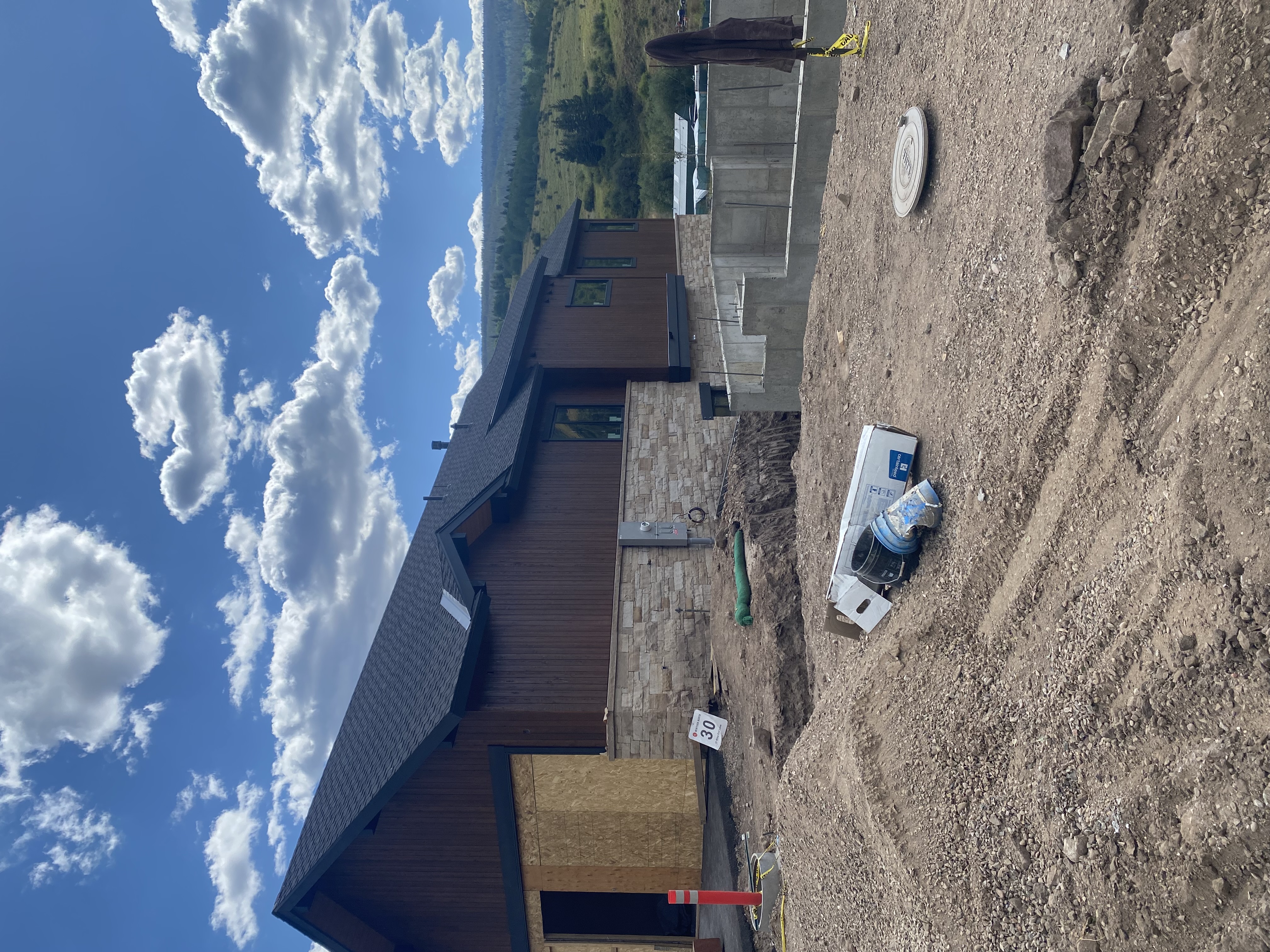
From Beaver Creek and Vail to Edwards and Eagle, rising construction costs are creating new challenges—and potentially new opportunities—for homeowners, buyers, and builders.
The cost of building a home continues to rise, and the implications extend well beyond the construction industry.
A recent Wall Street Journal article, “Just About Every Part of Building a House Is Getting More Expensive”, examines how rising material costs, labor shortages, higher financing expenses, and regulatory requirements are making new-home construction increasingly challenging.
These national trends have particular relevance in Eagle County, where mountainous terrain, limited developable land, seasonal construction constraints, and a high cost of living already make building expensive.
For buyers and sellers, one important question emerges: How will the rising cost of new construction influence the value and availability of existing homes?
What’s Driving Construction Costs Higher?
Several factors are contributing to the increasing expense of building homes nationwide.
Materials and tariffs. Higher costs for lumber, aluminum, copper, drywall, roofing, and other building materials are affecting construction budgets. Tariffs and global supply disruptions add further uncertainty.
Labor shortages. Skilled construction workers remain in demand, and competition from large infrastructure and data-center projects is increasing pressure on wages and contractor availability.
Financing costs. Higher interest rates affect both developers financing projects and buyers purchasing completed homes.
Regulatory and building requirements. Energy efficiency, fire safety, permitting, and other requirements can increase construction expenses, even when they provide important long-term benefits.
For mountain communities such as Beaver Creek and Vail, these pressures can be amplified by limited building seasons, challenging access, and the logistics of transporting labor and materials into the valley.
1. Existing Homes May Become More Attractive
As the cost of constructing a comparable new home increases, existing properties can become more appealing.
This is particularly relevant in established Eagle County neighborhoods such as Homestead, Singletree, Eagle Ranch, and portions of Edwards, where buyers may be comparing existing homes with new construction elsewhere in the valley.
In Beaver Creek and Vail, limited opportunities for new development can make well-maintained existing properties especially appealing to buyers who value established locations and amenities.
However, higher construction costs do not automatically mean higher resale prices. Buyers still evaluate location, condition, competing inventory, financing costs, and overall affordability.
The more useful comparison is often the cost of purchasing an existing home versus buying land and constructing a similar property.
2. New Housing Supply Could Face Additional Constraints
Eagle County has long struggled to balance housing demand with the cost and availability of new development.
When construction becomes more expensive, some projects become financially difficult to justify. Developers may postpone construction, redesign projects, or increase asking prices to offset higher costs.
This creates challenges for workforce housing and attainable homeownership.
Even when land is available and zoning permits additional density, a project must still make financial sense.
For local policymakers, this is an important distinction: Increasing allowable housing density can create opportunities, but it does not guarantee that homes will be economically feasible to build.
Land-use policies, infrastructure costs, approval timelines, financing, and construction expenses all influence whether additional housing reaches the market.
3. Renovation and Maintenance Costs Matter More Than Ever
Rising construction expenses don’t affect only new homes.
They also influence the cost of replacing roofs, updating kitchens, remodeling bathrooms, repairing building systems, and completing major HOA capital projects.
For buyers, this makes property condition and due diligence increasingly important.
A home that initially appears less expensive may not represent the best value once necessary improvements are considered.
For condominium buyers in Beaver Creek and Vail, reviewing HOA reserves, capital improvement plans, and potential special assessments is especially important.
For sellers, addressing deferred maintenance before listing—or accurately accounting for it in the asking price—can help reduce uncertainty and strengthen a property’s competitive position.
4. What Does This Mean for Sellers?
Rising replacement costs may provide additional support for the appeal of existing homes, particularly those that have been well maintained or recently updated.
But today’s buyers remain selective.
In Beaver Creek, our midyear 2026 market review showed active inventory increasing 10.5% while properties under contract declined 20% compared with the same period in 2025.
At the same time, the average sale price increased 3.8%.
These figures illustrate why understanding the local market matters. Higher construction costs may support the relative attractiveness of existing properties, but increased inventory gives buyers more alternatives.
For sellers, the opportunity is to demonstrate value—not simply assume that rising replacement costs justify a higher asking price.
Strategic pricing, thoughtful preparation, professional marketing, and skilled negotiation remain essential.
5. What Does This Mean for Buyers?
For buyers, rising construction costs make the comparison between existing homes, renovated properties, and new construction increasingly important.
Before purchasing, consider:
● What would it cost to build a comparable property today?
● How much additional investment will the existing home require?
● Are contractors available, and what is a realistic renovation timeline?
● Are there HOA capital projects or assessments on the horizon?
● How do total ownership costs compare across neighborhoods?
Buyers who understand these factors are better positioned to identify value and negotiate effectively.
In some cases, purchasing an existing property may offer substantial advantages over building. In others, the costs of renovation or deferred maintenance may outweigh the apparent savings.
The Trueblood Team Perspective
Having lived and worked in Eagle County since 2004—and as Beaver Creek homeowners ourselves—we understand that purchasing or selling real estate in the Vail Valley involves considerations that extend well beyond the listing price.
Construction costs, HOA financial health, property condition, insurance, rental regulations, and long-term marketability can all influence the outcome.
Our role is to help clients evaluate those factors and make informed decisions based on both market data and local experience.
The bottom line: Rising construction costs may make existing Eagle County homes more attractive relative to new construction, while simultaneously making renovations and future housing development more expensive.
For buyers and sellers alike, understanding those tradeoffs is increasingly important.
The Trueblood Team | 8z Real Estate
Strategic Representation. Measurable Results.
Explore Eagle County Real Estate
Source: The Wall Street Journal, “Just About Every Part of Building a House Is Getting More Expensive,” October 2026. Local market comparisons are based on Trueblood Team data through June 30, 2026.